Demand Response HVAC Strategies Widely Sought in 2025: An Overview
In an effort to promote energy efficiency and reduce strain on the grid, Demand Response (DR) systems are being implemented in HVAC systems across commercial buildings. These systems allow energy users to modify their power consumption in response to signals received from the grid operator or utility company, without affecting occupant comfort.
Demand Response programs for HVAC systems involve managing energy consumption by adjusting heating, ventilation, and air conditioning operations during peak periods. These programs are typically categorized into two main types: price-based and incentive-based programs.
Price-based programs, such as Time-of-Use (TOU) Pricing, Real-Time Pricing (RTP), and Critical Peak Pricing (CPP), charge different rates for electricity based on the time of day or adjust prices in real-time based on current demand. These strategies encourage users to shift HVAC usage to off-peak hours, reducing overall energy consumption during peak periods.
On the other hand, incentive-based programs offer financial incentives to users who agree to reduce HVAC usage during peak periods. Examples include Direct Load Control (DLC), Interruptible/Curtailable (I/C) Programs, and Demand Bidding Programs.
Modern HVAC systems can integrate with Internet of Things (IoT) sensors to optimize energy usage by adjusting to occupancy and environmental conditions. Advanced controls and automation, like OpenADR, enable HVAC systems to respond to demand response signals, allowing for autonomous adjustments during peak periods.
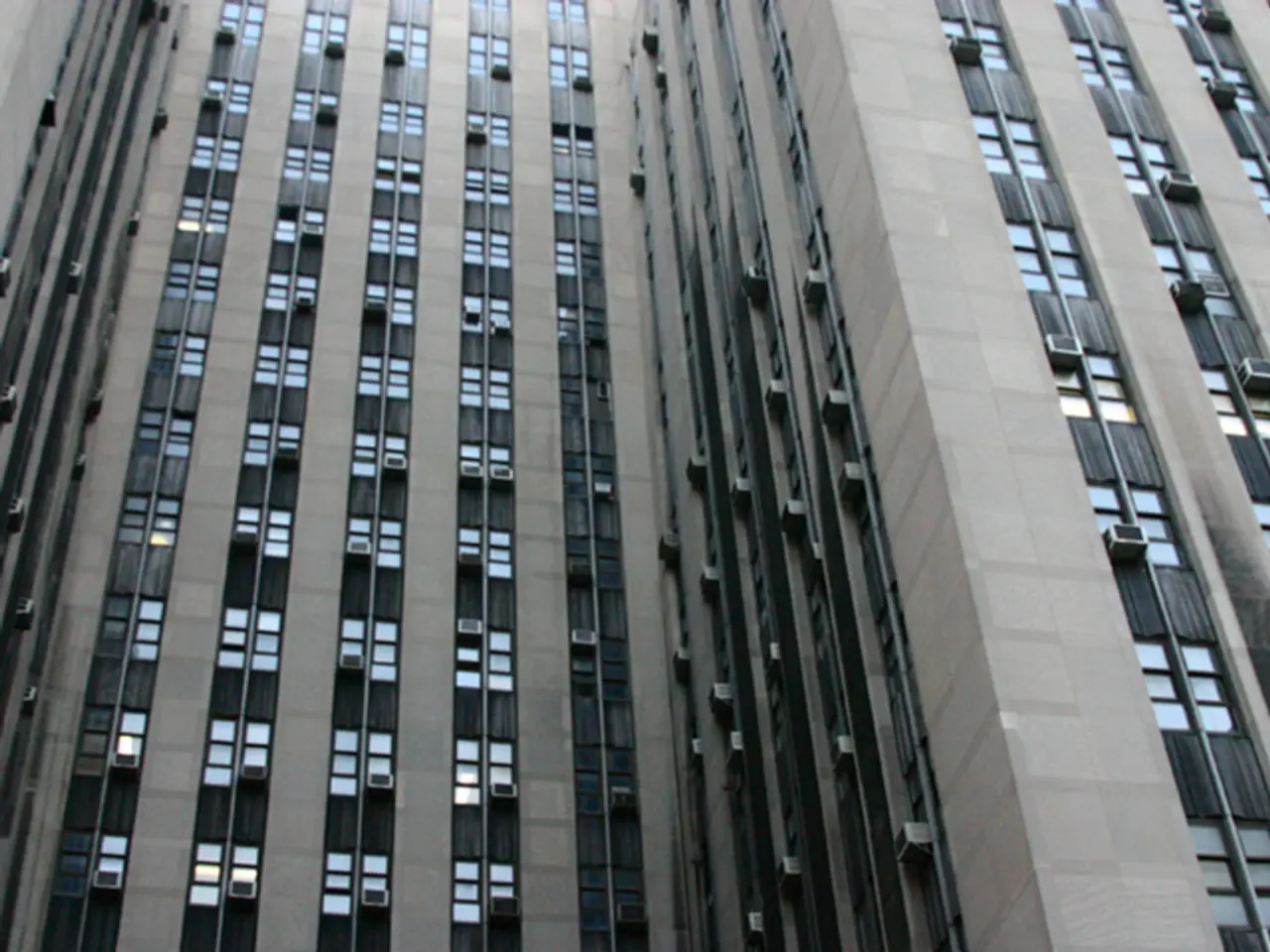
One successful example of implementing Demand Response HVAC tactics can be found in a 20-story office building in New York. By implementing strategies such as pre-cooling and pre-heating, ventilation and fan control, and temperature set point adjustment, the building was able to reduce its HVAC loads by 25% during Demand Response events. Not only did this strategy result in significant energy savings, estimated at $70,000 per year, but inhabitants of the building reported no perceptible difference in comfort.
The building also received more than $150,000 in annual incentives for its efforts. Solutions to address data security and privacy concerns, as well as challenges in the building's regulatory landscape, were addressed through implementing secure communication protocols, working with energy consultants, and applying zonal control, among other strategies.
Incorporating lighting and plug loads into DR programs has the potential to augment HVAC demand curtailments. Future trends in Demand Response HVAC approaches include Grid-Interactive Efficient Buildings (GEBs), capable of storing energy, shifting loads in response to grid carbon intensity, and integrating renewables with HVAC equipment. AI-driven HVAC optimization is another future trend, capable of anticipating peak demand periods, automatically shifting set points with forecasts and occupancy, and learning from past performance to maximize response.
As Demand Response HVAC approaches continue to evolve, it is essential to navigate the regulatory landscape and address challenges such as occupant comfort and technology integration complexity. With the potential for significant energy savings and a more sustainable future, the adoption of Demand Response HVAC systems is an exciting development in the energy sector.
- Financing for Demand Response (DR) programs, such as Direct Load Control (DLC) and Interruptible/Curtailable (I/C) Programs, can provide significant incentives to businesses, offering them financial rewards for reducing HVAC usage during peak periods.
- Technology integration plays a crucial role in modern DR HVAC systems, as advanced controls and automation, like OpenADR, enable systems to respond to demand response signals and optimize energy usage, leveraging technologies like the Internet of Things (IoT) and AI-driven HVAC optimization.