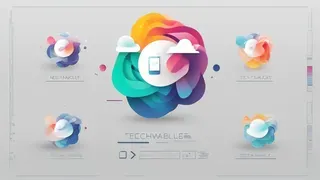

Modern interfaces are being revamped by the Glassmorphism trend in user experience design
In the ever-evolving world of user interface (UI) design, a new trend is emerging that's making digital spaces sleeker and more aesthetically pleasing – Glassmorphism. This visual language combines transparency, soft blurs, and glowing edges to create a futuristic look, giving objects a sense of depth and weightlessness.
Glassmorphism can enhance user experience by making interfaces more visually appealing. However, it's essential to use this design style judiciously. A simpler design or flat interface often works better in situations where glassmorphism might overwhelm the user. For instance, older or low-end devices, apps requiring very clear visuals, apps with a lot of content, or if the brand style doesn't fit the soft, glossy look of glassmorphism.
The best practices for implementing Glassmorphism focus on balancing its stylistic appeal with usability, accessibility, and performance considerations. Use Glassmorphic Effect Sparingly, limiting it to key UI elements such as modal boxes, floating cards, or prominent panels. Maintain Readability and Contrast by ensuring text placed on glassmorphic backgrounds retains high contrast. Prioritize Clean and Minimalistic Design by pairing glassmorphism with minimal typefaces, simple icons, and clean layouts.
Consider Performance Impacts, as blur effects can be resource-intensive. Optimize the performance by keeping effects lightweight and benchmarking across device types. Support Dark and Light Modes thoroughly, as translucency can behave differently. Ensure Accessibility by providing fallbacks for users with disabilities or those who enable settings to reduce transparency or motion. Use Vector Graphics and Outlined Fonts to maintain crispness and scalability in glassmorphism elements.
Designers will likely improve how blur and layering work in glassmorphism to support accessibility, making clear visuals available to everyone, including users with visual or cognitive challenges. Apple introduced glassmorphism in iOS 7 and expanded on it in macOS Big Sur. Microsoft also picked up the style in its Fluent Design System.
Virtual glass and glassmorphic elements are central to this style, creating the illusion of floating, translucent layers within the interface. Low contrast can steal readability in glassmorphism design, so it's important to measure the responsiveness between the blur and the copy and dial the shadow or tint until it's clear.
Glassmorphism is a visual style that emulates the look and feel of frosted glass. Key characteristics include a glass-like appearance, semi-transparent elements, and layered, frosted effects that add depth and visual hierarchy to UI components.
Endel, a sound and productivity app, uses soft glassmorphic panels in its design, creating a calm and focused mood. Glassmorphism can improve how people feel about digital products by making interfaces more visually appealing and calming. However, low contrast and visual clutter can be concerns when implementing glassmorphism, making it difficult for users with visual impairments to read text and for users with older devices to run smoothly.
As AR, VR, and mixed-reality platforms grow, glassmorphism may become the standard look for apps built for these platforms, helping organize content and guide attention in more realistic digital spaces. The weather app example demonstrates how glassmorphism can create a clean, modern design with floating cards and blurred backgrounds that make the content stand out.
The future of glassmorphism in UX design suggests that it will help users understand space and direction in 3D environments. However, it's crucial to inspect every screen in both light and dark themes to ensure readability. In 2025, Apple took it further with the launch of iOS 19, iPadOS 19, and macOS Sequoia, using more glass-like surfaces, bright accent colors, and dynamic blur to shape a more delightful and elegant experience.
In conclusion, glassmorphism is a sparingly applied, visually layered effect that enhances depth and modern aesthetics while prioritizing clarity, accessibility, and performance across diverse devices and themes. By understanding when and how to use glassmorphism, designers can create interfaces that are not only visually appealing but also functional and user-friendly.
Technology plays a significant role in the development and implementation of Glassmorphism, a visual language used in UI design that creates a futuristic look with transparency, soft blurs, and glowing edges.
Effective use of Glassmorphism requires balancing its stylistic appeal with usability, accessibility, and performance considerations, including maintaining readability, minimizing design elements, optimizing performance, and ensuring accessibility for users with disabilities or older devices.