
Operational Capability in Its Entirety (FOC) Explained: Functioning, Processes
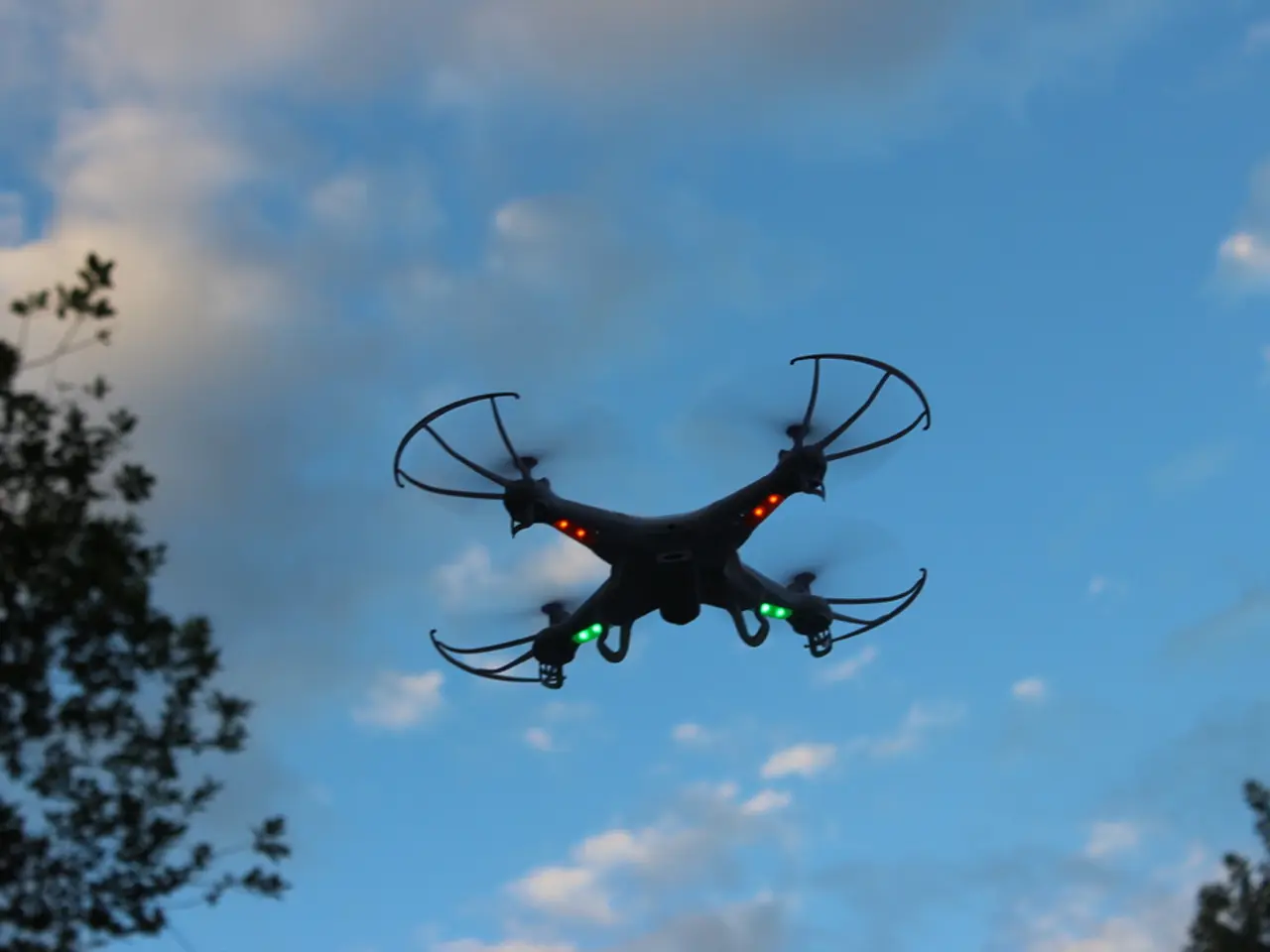
In the rapidly evolving world of drone technology, Full Operational Capability (FOC) stands as a significant milestone. This term, most commonly abbreviated as FOC in the drone industry, signifies the point when a drone system or operational program has completed all its development phases and is fully prepared to perform all intended missions under standard operational conditions [3][5].
Reaching FOC means that a drone platform, system, or operation is mature, reliable, and certified for routine use, including advanced applications such as beyond visual line of sight (BVLOS) flights and large-scale commercial operations [1][3]. This transition from development to maturity enables operators to shift from limited or trial use phases (like Initial Operating Capability) to full-scale deployments, supporting scalable services like long-range inspections, agriculture monitoring, and remote deliveries [1].
Regulatory bodies often require the demonstration of FOC to authorize expanded commercial drone activities and ensure safety compliance in increasingly complex airspace environments [1][2]. In military or defense contexts, FOC marks the completion of a drone system’s development and integration, allowing it to be used operationally across all intended scenarios [5].
Outside the industry, there are individuals like Jacob Stoner, the CEO of Flyeye.io, who are making significant strides in the application of drone technology. A licensed commercial drone operator in Canada, Stoner is a highly respected figure within his local drone community. His keen interest lies in the potential societal impact of drone technology advancements, and he spearheads the operations of Flyeye.io with his extensive expertise in the drone industry. Stoner frequently conducts drone inspections in Canada, demonstrating the practical applications of FOC-certified drone systems.
While the specifics of terms like DOP (Dilution of Precision), UAVM (UAV Middleware), SADL (Situational Awareness Data Link), and ESM (Electronic Support Measures) are beyond the scope of this article, they are all crucial components in the development and operation of drone systems, contributing to their overall reliability and safety.
In summary, FOC (Full Operational Capability) marks the stage where a drone system or service is fully operational, certified, and ready for comprehensive deployment. This milestone plays a critical role in transitioning drone technology from testing to widespread industrial and commercial use [1][3][5]. As the industry continues to evolve, the importance of FOC will only grow, paving the way for innovative drone applications and services.
Mark Blanks, the Head of Global Flight Operations at Wing, encapsulates this sentiment when he says, "FOC is not just a checkbox on our development roadmap; it's a testament to the maturity, reliability, and safety of our drone technology, enabling us to deliver valuable services to our customers."
Technology plays a critical role in the maturity, reliability, and safety of drone systems, as their Full Operational Capability (FOC) signifies the point when they are fully operational, certified, and ready for comprehensive deployment. This milestone transitions drone technology from testing phases to widespread industrial and commercial use, fostering innovative applications and services.
In the evolving world of drone technology, regulatory bodies often require the demonstration of FOC to authorize expanded commercial drone activities, ensuring safety compliance in increasingly complex airspace environments.



%20Explained%3A%20Functioning%2C%20Processes)