
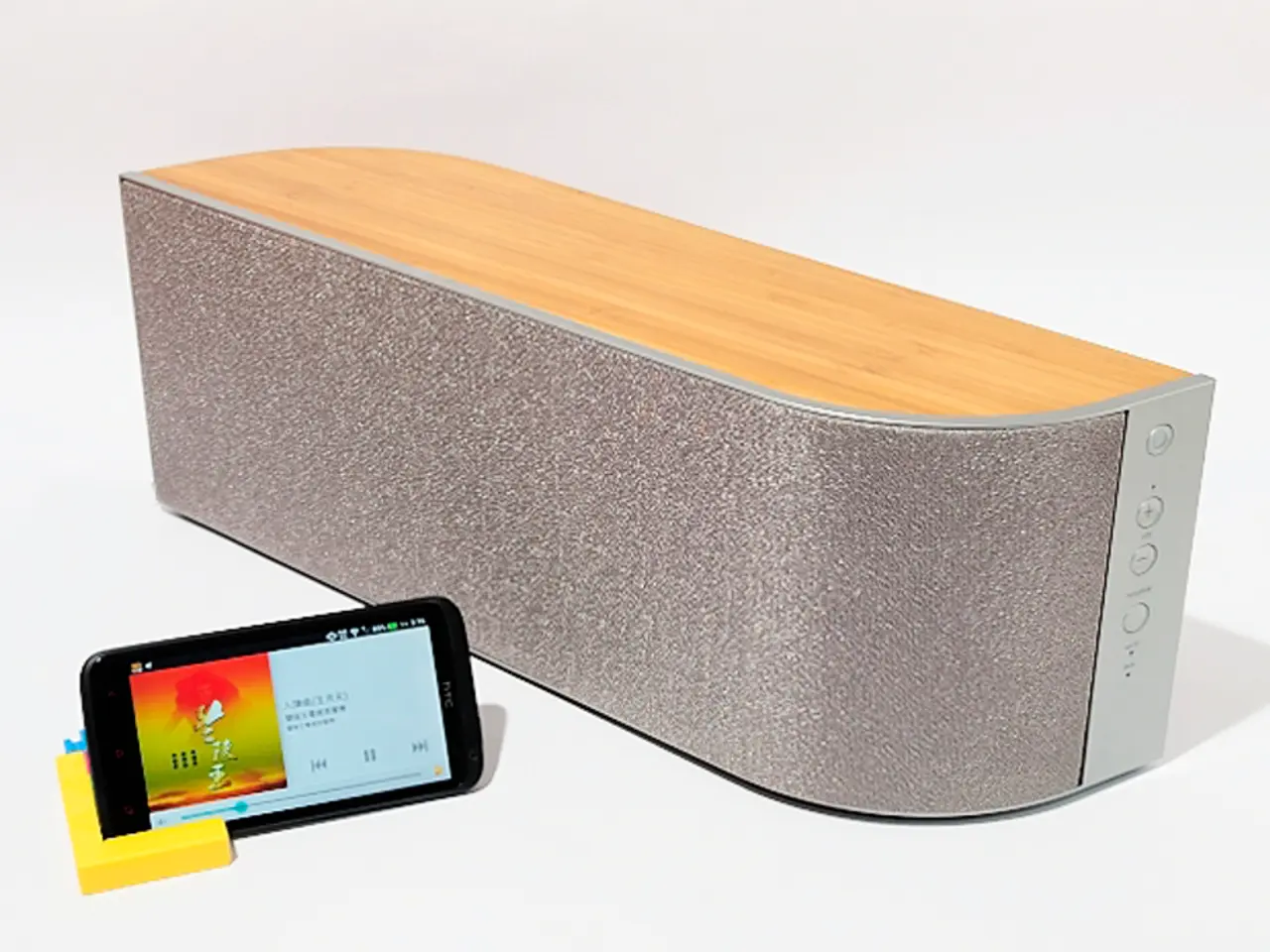
The Evolutionary Journey of Portable Music Devices: From Walkman to Present-Day
Revolutionizing Music on the Go: The Evolution of Portable Music Devices
The portable music landscape has undergone significant transformations since the introduction of the Sony Walkman in 1979. The Walkman, a compact cassette player, revolutionized music listening on the go, offering a personal and convenient experience.
The Walkman's cultural impact was profound, symbolizing the 1980s and 1990s as people embraced personal audio and "soundtracking" daily life. Its small size, lightweight design, and ability to connect with headphones made it incredibly popular.
In the late 1990s, a new era dawned with the rise of MP3 technology. This digital format allowed for thousands of songs to fit in a pocket, laying the foundation for streaming and displacing physical media. Portable CD players and MP3 players began to replace the Walkman, with the iPod being a significant game-changer due to its digital storage capabilities and intuitive interface.
The introduction of the iPhone in 2007 redefined mobile devices as all-in-one music and communication tools. The iPhone integrated music players, digital media, and the internet into a single device, making portable music ubiquitous and integrated with other functionalities.
In the 2010s, the smartphone revolution led to the decline of standalone music players. Smartphones combined various technologies into one device, rendering standalone music players obsolete.
The rise of music streaming services like Spotify, Apple Music, and Amazon Music has fundamentally changed how music is consumed. These services focus on providing access to vast libraries of music rather than ownership. However, the resurgence of interest in physical formats like vinyl records and cassettes indicates that while digital streaming will continue to dominate, there remains a dedicated audience for physical media.
Technologies like active noise cancellation (ANC), true wireless earbuds, spatial audio, and augmented reality are starting to impact the digital music world. Consumer ANC headphones, like the Bose QuietComfort series, introduced the ability to reduce ambient noise, greatly improving listening quality on the go. Popularized by Apple AirPods, true wireless earbuds freed users from cables entirely and incorporated smart features like voice control and automatic pausing. New headphone technologies, such as Sony’s 360 Reality Audio, Apple’s Spatial Audio, and Dolby Atmos support, create immersive, environment-anchored sound experiences, enhancing both music and multimedia consumption.
Moreover, AI technology is being used to create music. Platforms like Amper Music offer AI algorithms for original music tracks. Augmented Reality (AR) may be integrated with music consumption, providing immersive experiences such as virtual concerts or music events.
In conclusion, these technologies have built on the Walkman’s legacy by continuously improving portability, sound quality, and interactivity in personal music listening. The future of portable music devices may include innovations like high-fidelity audio streaming, wearable devices with advanced music playback features, and AI-powered personalized music recommendations.
- As the digital music experience continues to evolve, technologies like active noise cancellation, true wireless earbuds, spatial audio, and augmented reality are enhancing sound quality on the go, thus revolutionizing lifestyle and entertainment.
- The rise of AI technology in music creation and the potential integration of AR in music consumption signify a transformative epoch in portable music devices, where the focus shifts from a single-use gadget to an all-encompassing, personalized entertainment and communication tool.




