Wind Turbines: Powering Auxiliary Systems for Optimal Performance
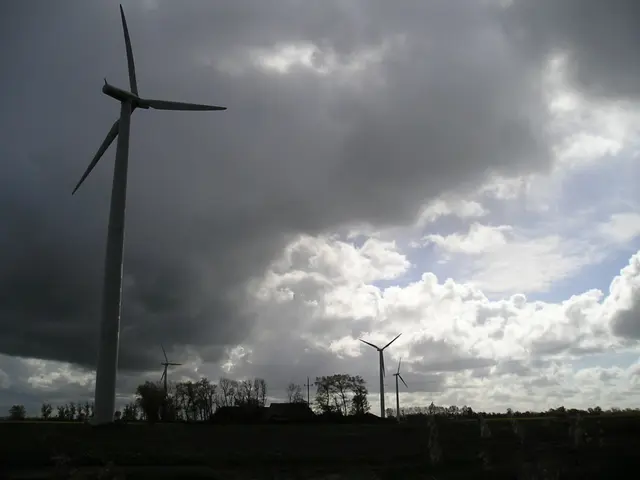
Wind turbines, crucial for harnessing renewable energy, depend on power for their auxiliary equipment and control systems. Modern designs can rotate to face the wind and feature advanced measurement and control technology for optimal performance.
Wind turbines produce electricity by transforming the kinetic energy of wind into electrical energy. This process commences when wind hits the rotor blades, generating a pressure difference. The lift force created by this difference sets the rotor in motion, turning the blades and driving the generator.
Modern wind turbines are equipped with sophisticated control technology and measurement devices. These systems require a portion of the power generated to function effectively. They continuously monitor the energy feed-in, adjust to varying grid conditions, and ensure the safety and efficiency of the plant's operation. This reliable power supply is vital for the wind turbine to maintain its performance and longevity.
In conclusion, wind turbines rely on power for their auxiliary equipment and control systems to function effectively. Modern designs can turn into the wind to maximize energy harvest, and their advanced measurement and control technology ensure optimal performance and safety.
Read also:
- Fructose Market Forecasted to Exceed $8.1 Billion by 2034
- Senate Tillis under spotlight in North Carolina as IRA tax incentives remain uncertain
- Latest Edition of Bus-News Magazine Arrives for 2023!
- Deep-seated issues plague the rooftop solar industry, as evidenced by the bankruptcies of Sunnova and Mosaic.